If you have lived in Palm Beach County for a while, you have probably felt a lock get stiff, sticky, or stubborn long before you expected it to. It is not your imagination. The same warm, salty, humid air that makes the coast beautiful is hard on metal hardware, and locks take the brunt of it. Understanding why helps you catch small problems before they leave you standing at your own door with a key that will not turn.
What humidity and salt air actually do
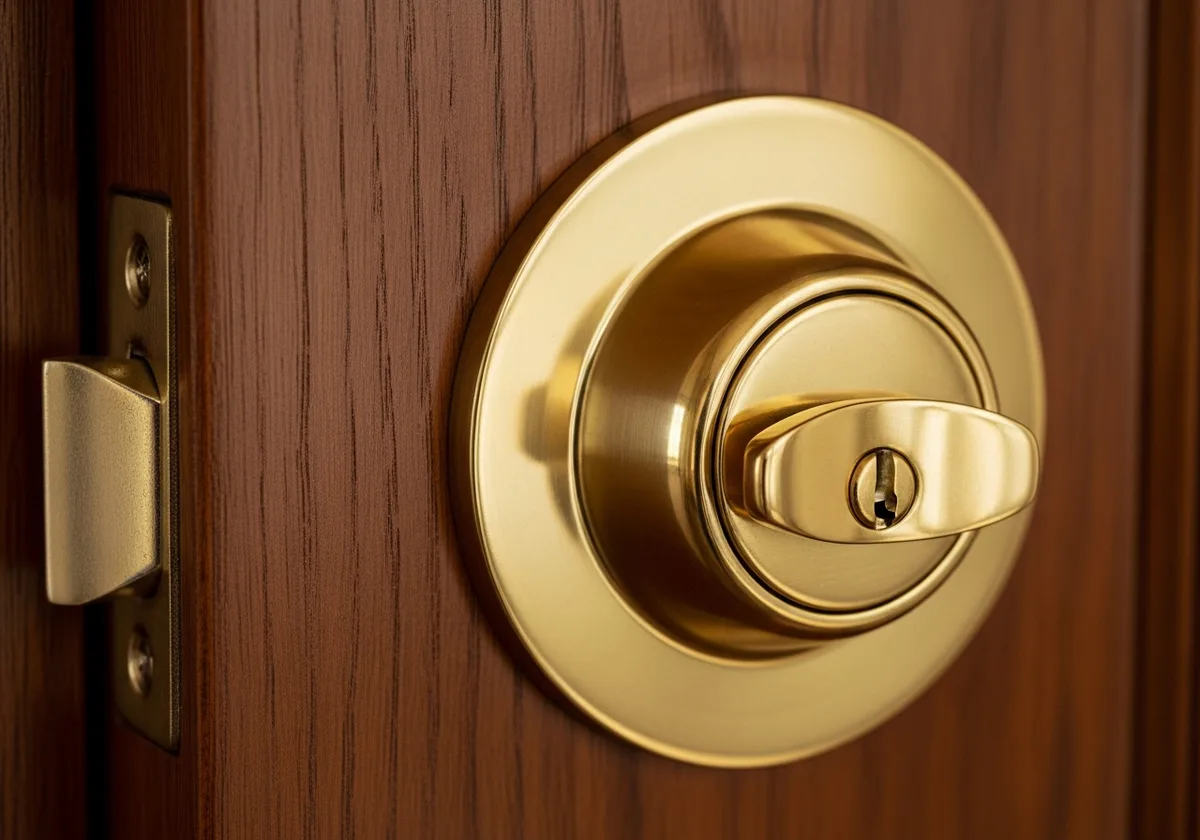
Moisture in the air carries tiny amounts of salt inland, especially near the Intracoastal and the beaches. That salty moisture settles into the small moving parts inside a lock, where it encourages corrosion and leaves a gritty film. Over time the pins, springs, and the cylinder itself begin to bind. The result is a key that needs jiggling, a deadbolt that drags, or a knob that no longer turns smoothly.
The warning signs to watch for
Locks rarely fail without warning. A key that suddenly needs wiggling, a bolt that sticks halfway, a lock that squeaks or grinds, or a fob door lock that responds slowly are all early signs. Outdoor locks, gate locks, and anything in direct sun and rain show it first. If you notice any of these, it is far cheaper to service or replace the lock now than to deal with a key snapping off or a jammed bolt at the worst possible moment.
What you can do yourself
A little maintenance goes a long way. Keep exterior locks clean and dry where you can, and use a proper lock lubricant rather than a household oil, which can gum up and trap grit over time. Never force a key that is fighting you, because forcing it is the fastest way to snap a blade off inside the cylinder. If a lock is stiff even after a cleaning, it is telling you the internal parts are wearing out.
When it is time to replace the hardware
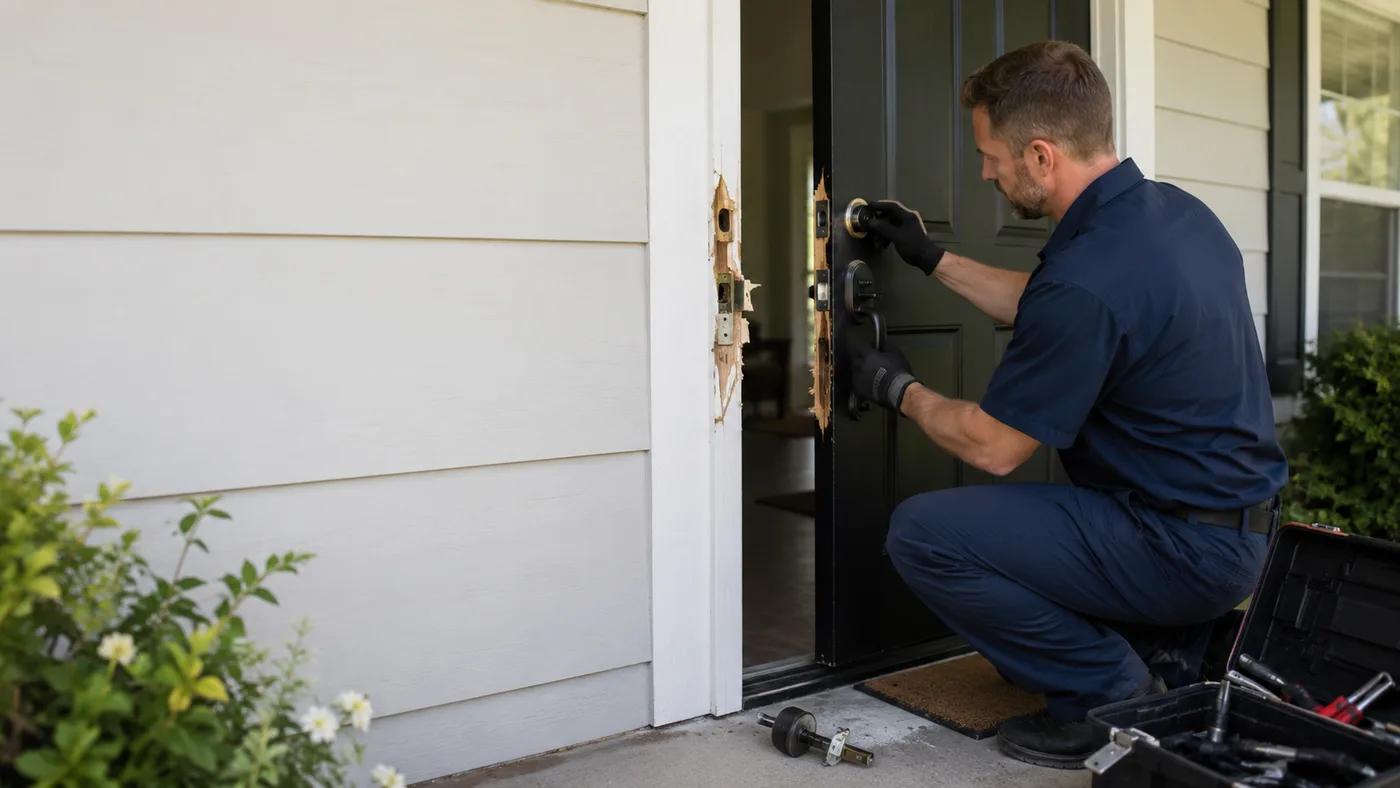
Once corrosion sets in deep, cleaning only buys you a little time. For exterior doors in this climate, it is worth choosing hardware rated for coastal and marine conditions, which resists salt far better than standard finishes. We can tell you which of your locks are simply dirty and which are genuinely worn, and fit replacements built to last in South Florida instead of ones that will struggle again in a year.
Local help before a lock leaves you stuck
We service and replace locks across the whole county, from the barrier island and West Palm Beach to Jupiter and Boca Raton, where coastal air is toughest on hardware. A quick service call now is a lot less stressful than an emergency one after a lock seizes. Call (561) 839-9919 and we will get your doors turning smoothly again and recommend hardware that stands up to the climate.
Frequently Asked Questions
Why do my locks wear out faster in South Florida?
Warm, salty, humid air carries moisture into the small moving parts of a lock, which encourages corrosion and grit. That makes pins and cylinders bind sooner than in drier climates.
What are the early signs a lock is failing?
A key that needs wiggling, a bolt that sticks, grinding or squeaking, and slow response are all early warnings. Outdoor and gate locks usually show it first.
Can I fix a stiff lock myself?
You can clean it and use a proper lock lubricant, not a household oil. If it stays stiff afterward, the internal parts are likely worn and the lock should be serviced or replaced.
Should I buy special hardware for the coast?
For exterior doors, yes. Hardware rated for coastal or marine conditions resists salt far better than standard finishes and lasts longer in this climate.
What should I never do with a sticking lock?
Never force the key. Forcing a stubborn key is the fastest way to snap the blade off inside the cylinder, which turns a small problem into a lockout.