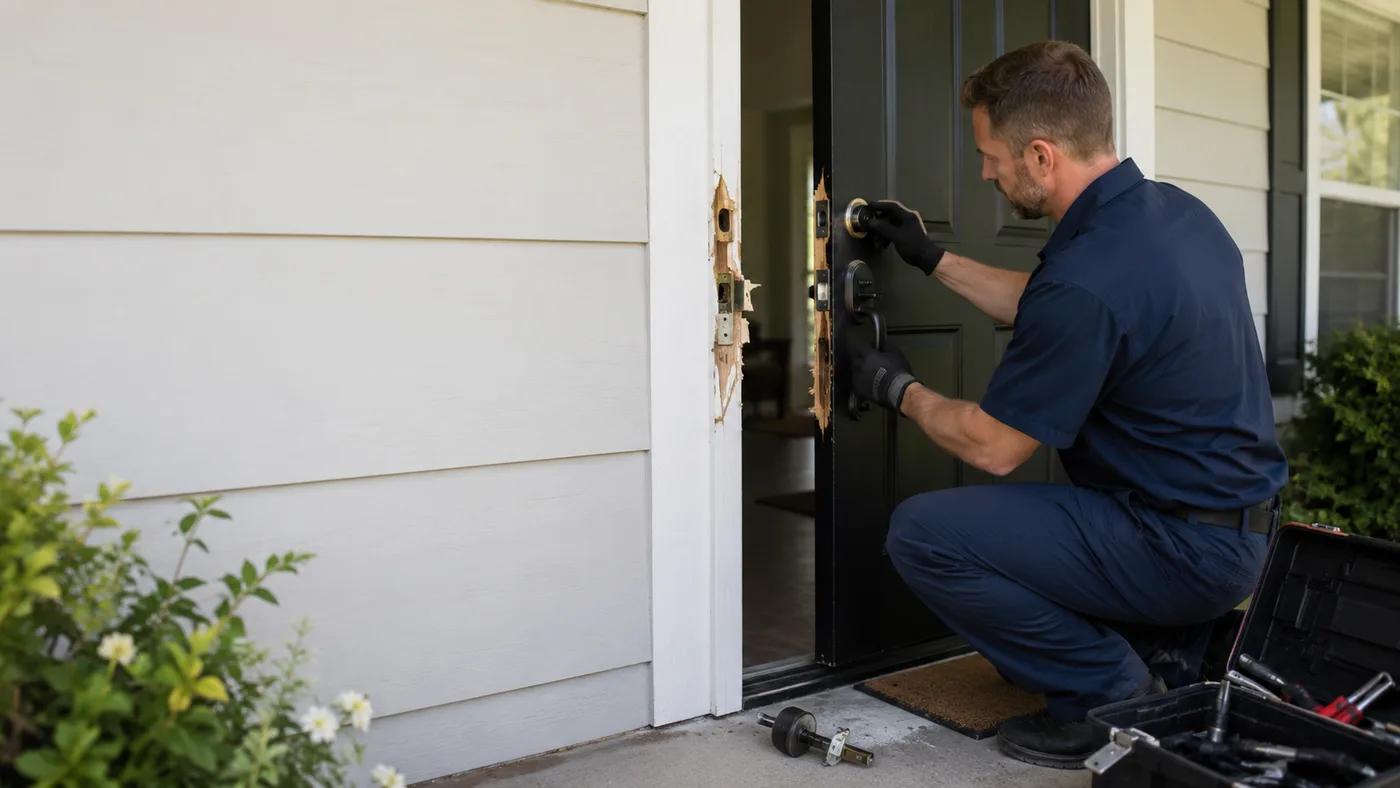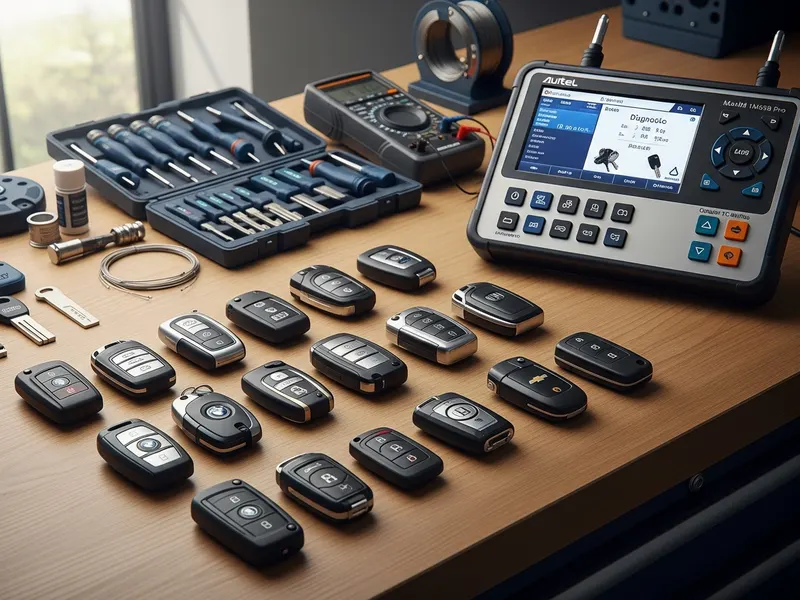
When you move into a new home, you really have no idea how many copies of the keys are out there. Previous owners, their relatives, contractors, cleaners, dog walkers, neighbors who watered the plants, and the real estate agents who showed the place all may have held a key at some point. Closing on the house does not call those keys back. That is why securing your locks belongs near the very top of your move-in checklist, and the first decision is almost always the same one: should you rekey the locks you have, or replace them entirely?
Why this matters the day you get the keys
Until you control who can open your doors, your home is not truly yours. Most break-ins are crimes of opportunity, and an unaccounted-for key is the easiest opportunity of all because it leaves no sign of forced entry. Handling your locks in the first day or two removes that risk before you have even finished unpacking, and it costs far less than people expect.
What rekeying actually does
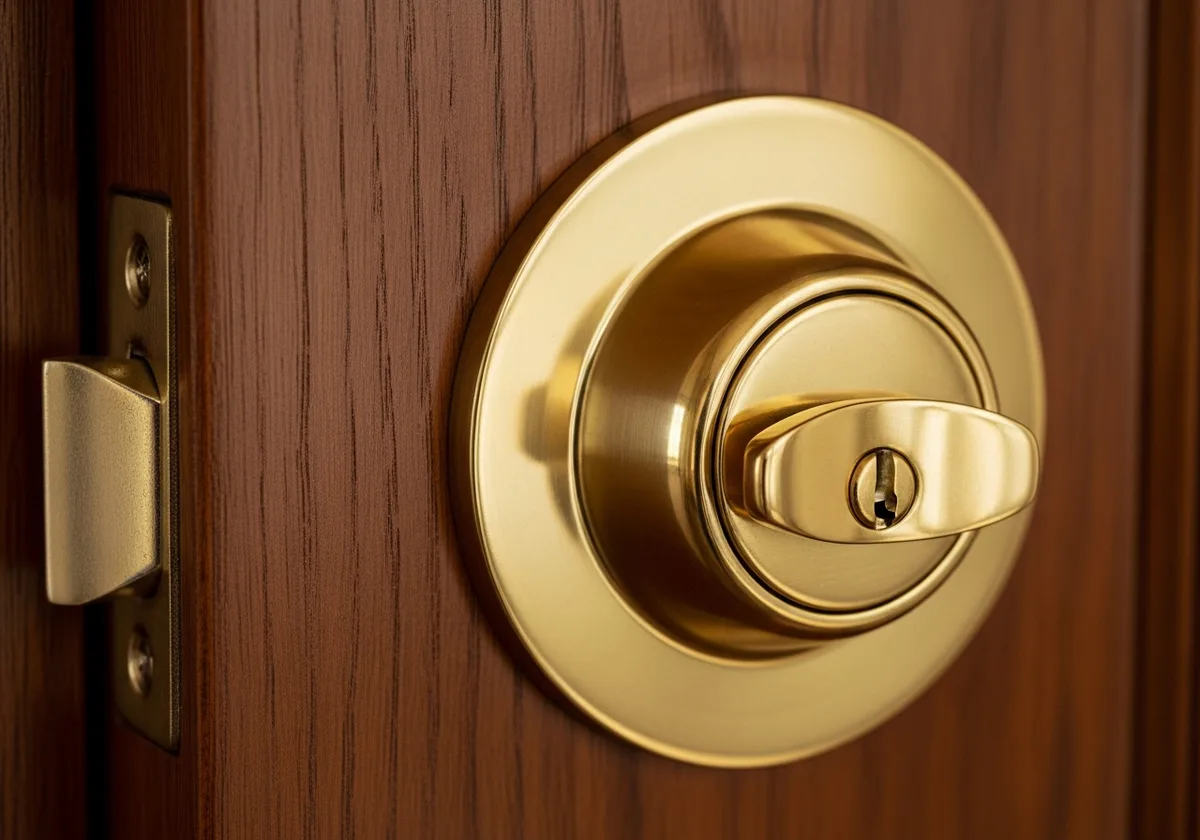
Rekeying changes the internal pins inside your existing lock cylinder so that the old keys no longer turn it, and a brand new key is issued to match the new pin configuration. The lock body, the deadbolt, and all the visible hardware stay exactly where they are. It is fast, budget-friendly, and ideal when your locks are already in good working order and you simply need to be sure no stray key still opens your door. A locksmith can often rekey several doors to a single new key in one short visit, so you carry one key instead of a ring full of them.
When replacement is the better choice
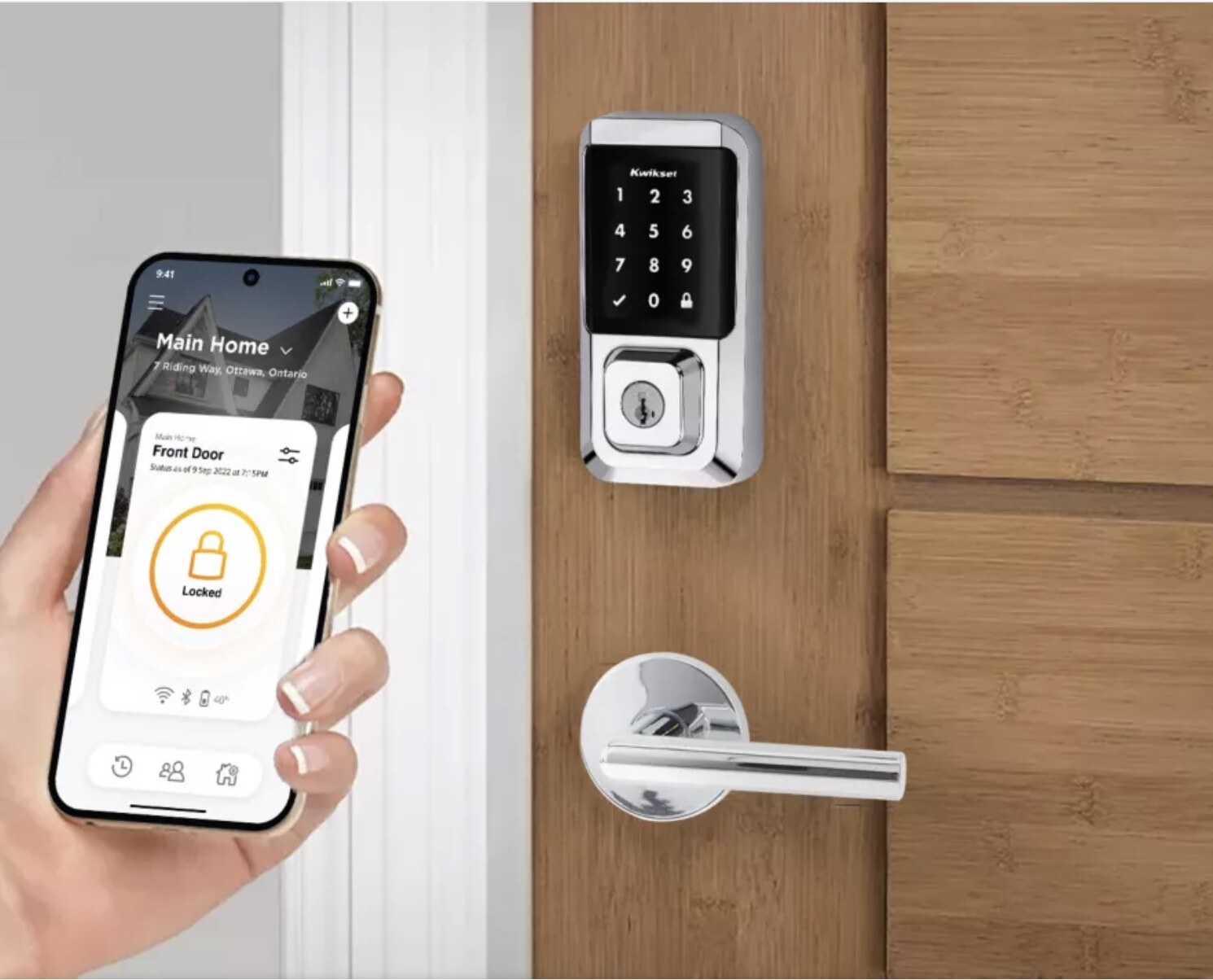
Sometimes new hardware is the smarter investment. If your locks are visibly worn, corroded, sticky, or already failing, rekeying a tired cylinder only delays the inevitable. Replacement also makes sense when you want to upgrade to higher-grade security, switch to a smart lock or keypad, match a new finish to a remodel, or standardize mismatched locks that previous owners installed piecemeal. It costs more than rekeying, but you get fresh hardware and the chance to improve security and convenience at the same time.
A simple rule and what to check first
Here is the shortcut. If the hardware is in good shape and you just want to be sure old keys are dead, rekey. If the locks are worn out or you want better locks and new features, replace. Before you decide, walk the whole house and count the doors, including the door from the garage into the home, any side gates, and the often-forgotten back slider. Try every key you received, note which locks feel rough or loose, and check whether the deadbolts throw fully into the frame. That quick survey usually makes the rekey-or-replace choice obvious.
Mistakes that cost homeowners money
The most expensive mistake is doing nothing and assuming the previous owner returned every key. A close second is buying cheap big-box locks and forcing them onto a door they do not fit, which leaves gaps a burglar can exploit and bolts that never seat properly. Avoid rekeying a lock that is already failing, since you will pay twice when it dies a few months later. And do not overlook the frame and strike plate. The strongest lock in the world is useless if it is screwed into a thin, short-screwed strike that a single kick can tear loose.
Local context across Palm Beach County
Move-in security looks a little different depending on where you land in the county. In the older neighborhoods around downtown West Palm Beach and the historic districts near the Intracoastal, original hardware is often beautiful but decades old, which makes rekeying a great way to keep the character while securing the home. Newer construction out in Wellington, Westlake, and the gated communities can come with builder-grade locks that are worth upgrading. Anywhere near the coast, from Palm Beach to Jupiter, the salt air and humidity speed up corrosion, so a lock that is already stiff is often a candidate for replacement rather than another rekey. HOA communities sometimes have rules about exterior finishes, so it is worth a quick check before you change visible hardware.
Whether you need a quick rekey or a full set of new locks, the goal is the same: knowing for certain that you, and only you, control the keys to your home. We will look at your doors, give you an honest recommendation rather than an upsell, and handle the work in one visit. Call (561) 839-9919 and start your move with one less thing to worry about.
Frequently Asked Questions
Is rekeying cheaper than replacing locks?
Yes, in almost every case. Rekeying reuses your existing hardware and only changes the internal pins, so it costs noticeably less than buying and installing new locks.
Can all my doors be rekeyed to one key?
Usually, yes, as long as the locks are the same brand or compatible type. We can often set several doors to a single new key so you carry just one.
How soon after moving in should I secure my locks?
As soon as possible, ideally within the first day or two. Until then you cannot be sure who still has a working key to your home.
Will rekeying work on an old, worn lock?
It can, but if the lock is already sticking or failing, replacement is the smarter long-term choice so you do not pay for the same door twice.
Do you reinforce the door frame too?
Yes. We can install a longer strike plate and longer screws so the deadbolt anchors into the framing, which matters as much as the lock itself.